Japan
Japan, differently: 7 experiences that make a trip unforgettable
Beyond the temples of Kyoto, the neon lights of Tokyo, and the famous cherry blossoms, Japan reveals a fascinating world to those who take the time to explore it from a different perspective.
Japan is a destination unlike any other. Balancing ancient traditions with striking modernity, the country cultivates a way of life in which every detail seems to hold significance. Yet, behind the iconic landmarks that have made it famous lies a more intimate side of Japan—one defined by personal encounters, rituals, pristine landscapes, and experiences that offer a profound sense of discovery.
Why not venture off the beaten path on your next trip? Here are 7 experiences to enjoy in Japan that will help you uncover the full richness of this extraordinary destination.
1. Spending a night in a ryokan: the art of Japanese hospitality
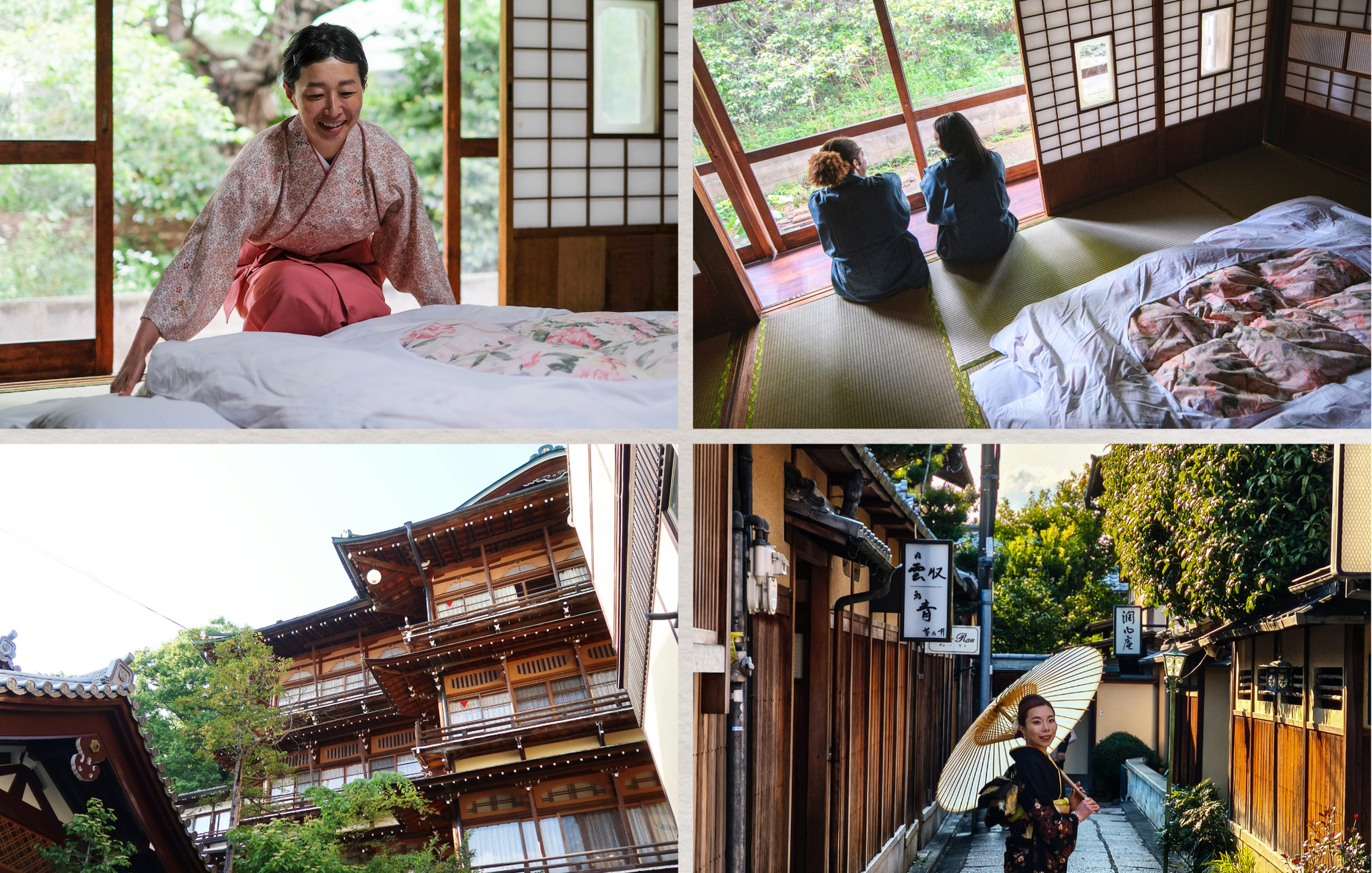
To discover the true essence of the Japanese way of life, there is nothing quite like a night in a *ryokan*—a traditional inn where every detail invites you to slow down and savor the present moment. Far more than just a place to stay, a *ryokan* offers a genuine immersion into Japanese culture, characterized by refinement, serenity, and ancestral traditions.
From the moment you arrive, the atmosphere shifts. You leave your shoes at the entrance and step into spaces defined by clean lines, *tatami* mat flooring, *shoji* paper sliding doors, and delicate decor often inspired by nature. In some establishments, the rooms open onto magnificent Japanese gardens, tranquil forests, or sweeping mountain landscapes.
The experience is rooted in the principle of *omotenashi*—a unique form of Japanese hospitality—where the care shown to guests is expressed through a multitude of subtle, thoughtful gestures. Here, luxury is measured not only by the comfort of the facilities but also by the quality of the welcome, the harmony of the surroundings, and the meticulous attention paid to the smallest details.
As evening falls, the experience continues with a *kaiseki* dinner—a true gastronomic journey consisting of several small, refined dishes. Prepared using fresh, seasonal ingredients, these meals highlight regional flavors and the distinct aesthetic of Japanese cuisine. Each plate is crafted as a delicate composition, where colors, textures, and presentation all contribute to the pleasure of the meal.
In *ryokans* equipped with thermal springs, travelers can also enjoy an *onsen*—a traditional bath fed by naturally heated water—sometimes located outdoors, offering a view of a spectacular landscape. It is a moment of pure well-being that perfectly rounds out the experience. At nightfall, a futon is typically laid out on the tatami mats, upholding the tradition of Japanese-style sleeping. Upon waking, a traditional breakfast, the tranquility of the gardens, and the gentle atmosphere serve to extend this sense of being outside of time.
From the mountains of Hakone to the historic alleyways of Kyoto, and through the pristine regions of the Japanese Alps, ryokans offer a wide range of experiences—from authentic, family-run inns to exclusive, highly luxurious retreats.
Staying in a ryokan means discovering a more intimate side of Japan, where elegance reveals itself through simplicity and every moment becomes an experience in its own right.
2. Discover onsen—thermal baths set in the heart of nature
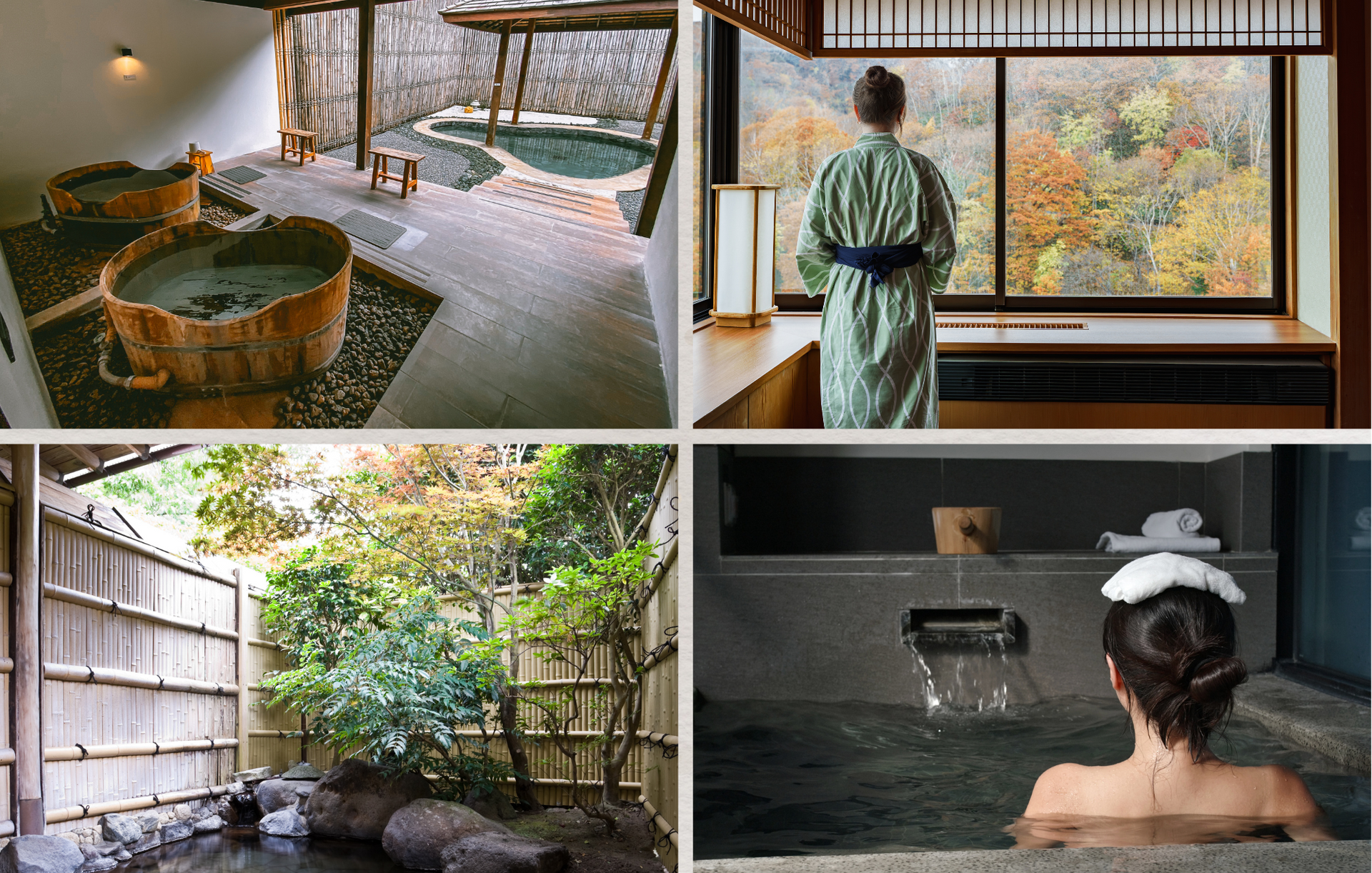
In Japan, well-being is closely intertwined with nature and tradition. Among the country’s most iconic experiences, *onsen*—thermal baths fed by naturally hot springs—hold a special place in the daily lives of the Japanese people. Serving as true havens of peace, they invite visitors to slow down, recharge, and discover another facet of the Japanese way of life.
Thanks to its intense volcanic activity, Japan boasts thousands of thermal springs scattered across the archipelago. Some are tucked away in the heart of lush forests, while others overlook mountain valleys, line riverbanks, or offer spectacular ocean vistas. Each region features its own unique establishments, landscapes, and customs, ensuring that every visit is a one-of-a-kind experience.
Imagine yourself immersed in naturally heated water, surrounded by a Japanese garden or facing mist-shrouded mountains. In autumn, maples with their fiery-hued leaves create an enchanting backdrop, while in winter, the steam rising from the pools contrasts beautifully with the snow-covered scenery. In spring, some baths open out onto blooming gardens, fostering an atmosphere of gentle serenity.
Far more than just a moment of relaxation, the thermal bath is a genuine cultural ritual. Before entering the water, bathers wash themselves thoroughly, in accordance with Japanese custom. Traditional baths are generally communal and segregated by gender, though some establishments offer private facilities—a popular choice for couples and families. Nudity is typically part of this tradition, embraced in a spirit of simplicity and mutual respect.
Among the most renowned destinations, Hakone—located near Mount Fuji—captivates visitors with its thermal bath establishments nestled within a mountainous landscape. Kinosaki Onsen, a charming hot spring town with willow-lined lanes, invites visitors to stroll from one public bath to another while wearing a *yukata*—a traditional, lightweight kimono. Further north, the Nagano and Tohoku regions reveal particularly atmospheric *onsen*, sometimes set amidst snow-covered landscapes.
To extend this wellness retreat, some *ryokans* (traditional inns) offer private hot spring baths, occasionally accessible directly from one’s room or a terrace that opens out onto the natural surroundings. It is a truly refined experience, blending the comfort of traditional lodging with the beauty of the Japanese landscape.
*Onsen* perfectly embody the Japanese philosophy of appreciating simple pleasures, living in harmony with one’s environment, and placing great value on the present moment.
Bathing in an *onsen* is far more than just enjoying a hot spring; it is an opportunity to step outside of time—bringing one closer to nature and the very soul of Japan.
3. Exploring rural Japan, far from the hustle and bustle of the big cities
While Tokyo fascinates with its boundless energy and Kyoto with the richness of its heritage, Japan also reveals an entirely different side to those who choose to venture beyond its major cities—a quieter, more understated Japan, where traditions endure, landscapes seem frozen in time, and daily life still follows the rhythm of the seasons.
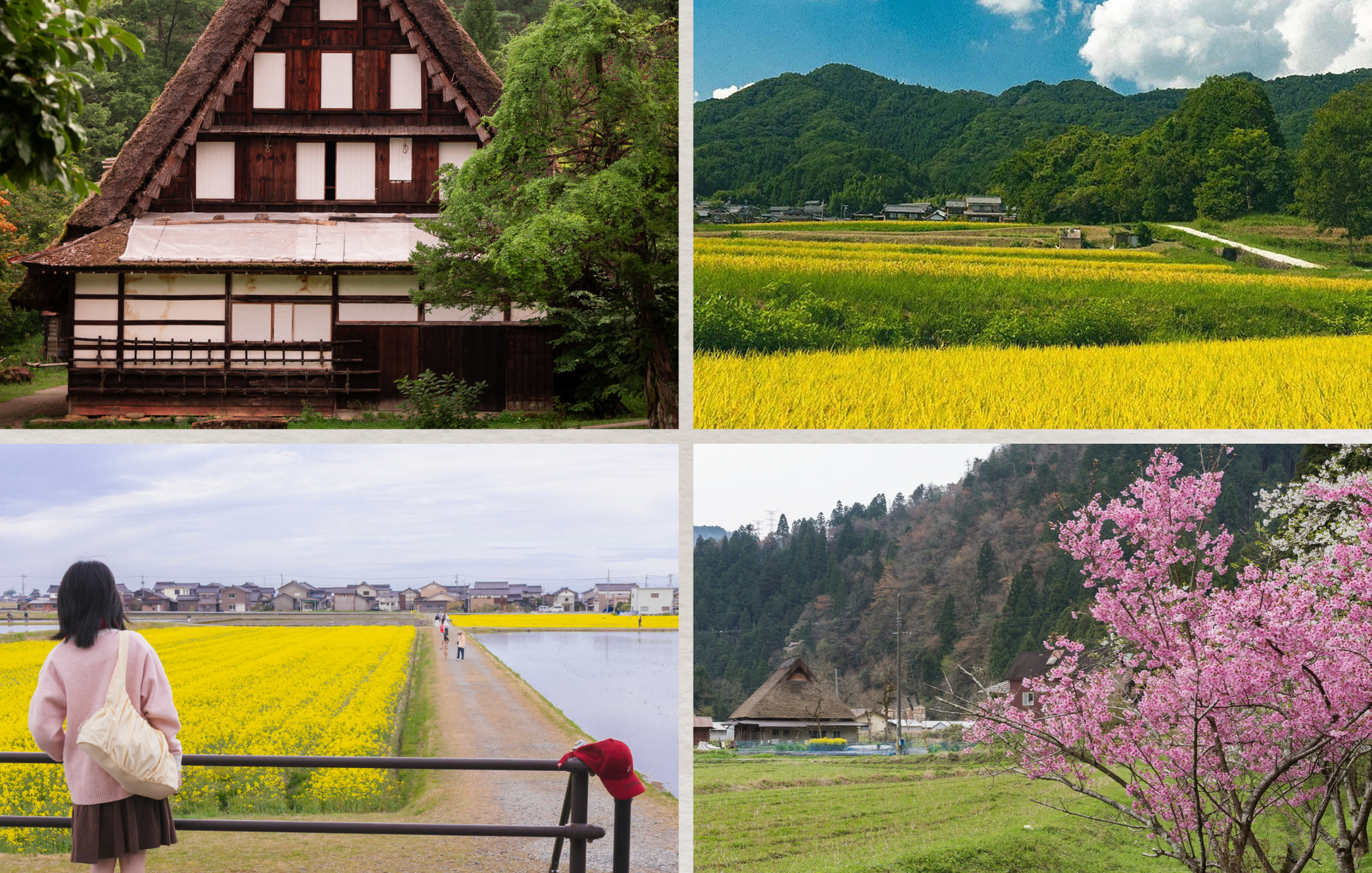
Amidst majestic mountains, terraced rice paddies, villages with wooden houses, and quiet roads lined with forests, rural Japan offers an immersive experience in an authentic setting that feels worlds away from the familiar. Here, far from the urban bustle, every turn brings new discoveries—from ancestral crafts and encounters with local residents to scenery of striking beauty.
In the heart of the Japanese Alps, traditional villages showcase a remarkably well-preserved architectural heritage. In Shirakawa-go—a UNESCO World Heritage site—the famous *gassho-zukuri* houses, with their distinctive, steeply pitched thatched roofs, look as though they belong to another century. Surrounded by mountains and rice paddies, the village is truly enchanting, especially in winter when snow blankets the rooftops, or in autumn when the forests are ablaze with vibrant colors.
Not far away, Takayama charms visitors with its historic center, where narrow streets are lined with traditional houses, old sake breweries, and small artisanal shops. Strolling through these ancient districts, exploring the morning markets, or sampling local specialties offers a glimpse into a Japan where traditions remain very much alive.
Further south, the Kiso Valley invites travelers to step back in time and follow in the footsteps of those who journeyed during the Edo period. Once traversed by merchants and samurai, the historic Nakasendō route once connected Kyoto to Edo—modern-day Tokyo. Today, certain sections allow for walking between the well-preserved villages of Magome and Tsumago, following forest trails, paved paths, and peaceful rural landscapes—a delightful experience for travelers looking to combine cultural discovery with gentle hiking.
Yet, the charm of rural Japan is also found in the rhythms of everyday life. Meeting an artisan who upholds a craft passed down through generations, sampling sake at a small, family-run brewery, enjoying a meal prepared with local ingredients, or spending a night at a traditional inn—all offer a window into the rich cultural heritage of these regions.
The scenery, too, shifts with the seasons. In spring, cherry blossoms bloom across villages and valleys. Summer reveals lush green mountains and vibrant rice paddies, while autumn transforms the forests into a mosaic of color. In winter, snow-covered villages and hot springs create an almost ethereal atmosphere.
For travelers seeking lesser-known destinations, areas such as Tottori, the Noto Peninsula, or the Iya Valley on the island of Shikoku unveil a different side of Japan—one defined by wild landscapes, local traditions, and remote villages. These places invite you to slow down, step off the beaten path, and embrace a more personal way of exploring the country.
Ultimately, exploring rural Japan means choosing to travel at a different pace—the pace of quiet mountain roads, tranquil villages, spontaneous encounters, and traditions that have endured for generations.
For it is often far from the most famous landmarks—around a bend in the road or within the simple setting of a village—that Japan reveals its most exquisite treasures.
4. Discovering the tea ceremony: a moment outside of time
In Japan, certain everyday actions are transformed into true art forms. This is especially true of the tea ceremony—known as *chanoyu* or *sadō*—an ancestral tradition that perfectly embodies Japanese philosophy and sensibility. Far more than a simple tasting, this experience invites participants to slow down, appreciate the beauty of each gesture, and focus intently on the present moment.
Rooted in centuries of tradition, the tea ceremony is built upon four fundamental principles: harmony, respect, purity, and tranquility. Every element carries meaning—from the arrangement of the utensils to the specific way the tea is prepared and served. Nothing is left to chance, yet the overall effect conveys a sense of simplicity and naturalness.
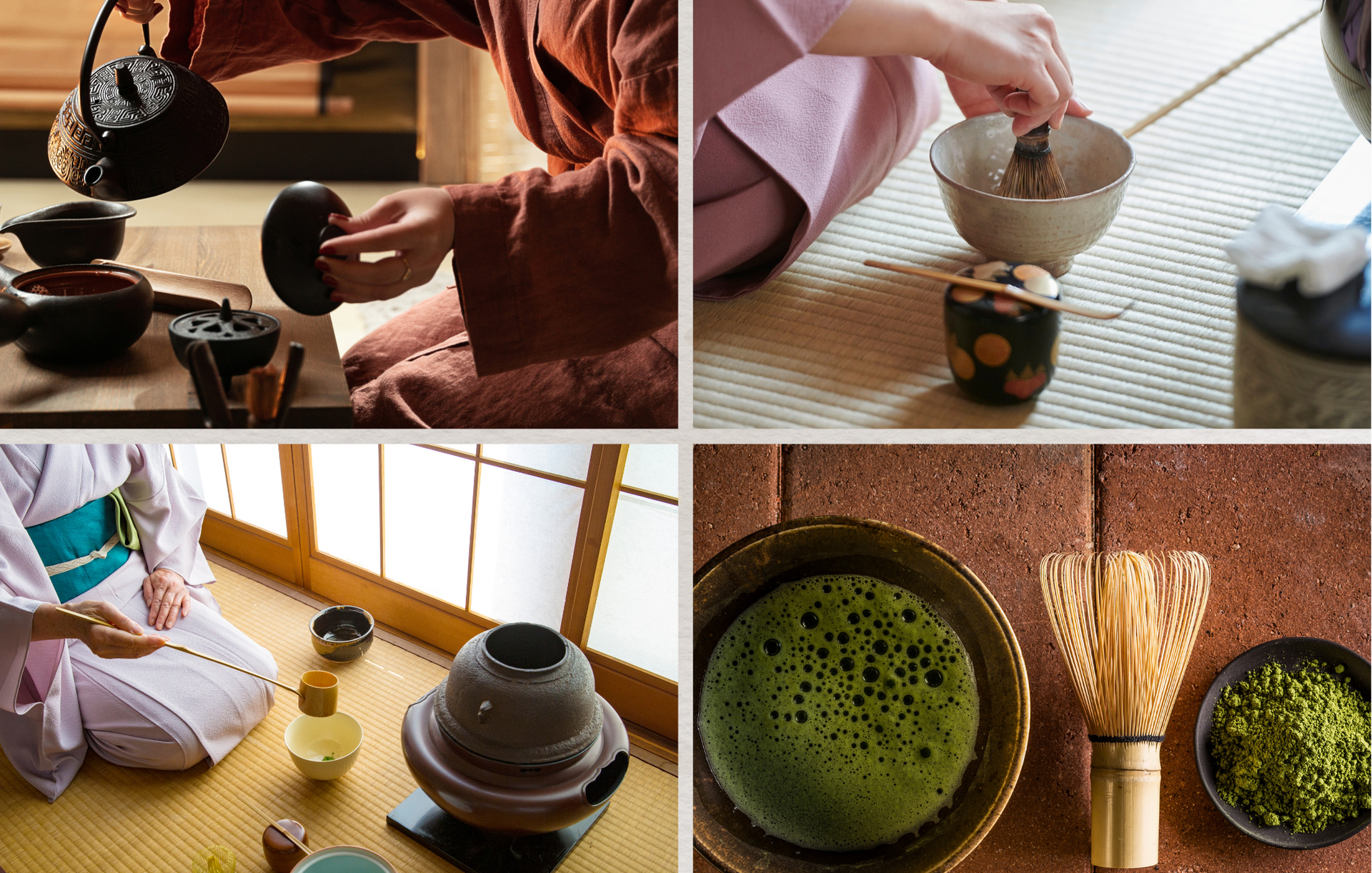
The experience typically takes place in a traditional teahouse, often nestled within a Japanese garden. From the moment one enters, the atmosphere encourages calm and contemplation. The floor is covered in *tatami* mats, a delicate floral arrangement adorns the room, and a few carefully chosen objects reflect the current season. The clean, minimalist architecture, soft lighting, and silence all contribute to a feeling of being momentarily detached from the outside world.
At the heart of this ritual is *matcha*—a Japanese green tea ground into a fine powder—which is prepared according to precise, codified movements. The host pours hot water into a ceramic bowl and then delicately whisks the tea using a bamboo tool called a *chasen*, creating a slightly frothy texture. Every motion is executed with care, in pursuit of harmony and elegance.
The tea is often served alongside a small, traditional Japanese confection known as *wagashi*, whose sweetness balances the characteristic bitterness of the *matcha*. These delicate creations—often inspired by flowers, leaves, or seasonal landscapes—attest to the importance placed on aesthetics within Japanese culture.
Yet, beyond the tea itself, an entire philosophy is revealed. The ceremony is notably inspired by the Japanese concept of *ichigo ichie*, which can be translated as "one encounter, one chance." This expression serves as a reminder that every moment is unique and deserves to be experienced fully, as it will never recur in exactly the same way.
Kyoto is an especially ideal destination for discovering this tradition. As the former imperial capital, the city is home to numerous teahouses and historic gardens—particularly in the traditional districts of Gion and Higashiyama—where visitors can take part in introductory sessions. Kanazawa, renowned for its cultural heritage and historic neighborhoods, also offers wonderful opportunities to explore this art form in a more intimate setting.
Some experiences go even further, allowing participants to meet a tea master, learn the techniques for preparing matcha, or explore the art of Japanese ceramics—a craft closely intertwined with this tradition. The bowls used during the ceremonies are, in fact, true works of art, prized for their shapes, textures, and the imperfections that are sometimes intentionally highlighted.
Taking part in a tea ceremony means discovering an essential facet of Japanese culture: the ability to find beauty in simplicity, to attach significance to details, and to transform an ordinary moment into a deeply memorable experience.
In a world that moves ever faster, the tea ceremony reminds us that true luxury can sometimes simply lie in taking one’s time.
5. Discover Naoshima, the island where art meets nature
In the heart of the Seto Inland Sea, between the islands of Honshu and Shikoku, lies a destination as surprising as it is fascinating: Naoshima, a small Japanese island that has become a major hub for contemporary art. Far from the bustle of large metropolises, this unique territory offers an experience where architecture, artistic creation, and natural landscapes converge in remarkable harmony.
Once focused primarily on fishing and industry, Naoshima has gradually transformed into an open-air artistic laboratory. Thanks to an ambitious cultural project initiated in the late 1980s, the island is now home to exceptional museums, monumental installations, and contemporary works integrated into the surrounding environment. Here, art is not confined to exhibition halls; it can be discovered around a bend in a path, on a beach, in the middle of a village, or set against the vastness of the sea.
Among the most iconic symbols of Naoshima are the monumental pumpkins by Japanese artist Yayoi Kusama, instantly recognizable by their vibrant colors and polka-dot patterns. Positioned within maritime settings, they have become true emblems of the island. Their unexpected presence—nestled between sky and sea—perfectly captures the spirit of Naoshima: fostering a dialogue between contemporary art and the natural beauty of the landscape.
The island also houses several major works by Tadao Ando, a world-renowned Japanese architect whose designs play with natural light, spatial volumes, and raw materials. The celebrated Chichu Art Museum, built largely underground to preserve the landscape, offers one of the most remarkable experiences on Naoshima. Its minimalist spaces house works by artists including Claude Monet, James Turrell, and Walter De Maria. Daylight, which shifts throughout the hours and the seasons, transforms how the artworks are perceived, lending a unique dimension to every visit.
Another essential destination, the Benesse House Museum, combines contemporary art, architecture, and the natural environment in an exceptional setting overlooking the Seto Inland Sea. Also designed by Tadao Ando, this unique complex integrates a museum and a hotel, allowing some visitors to extend their artistic immersion into their very accommodation. Artworks can be discovered both inside the buildings and throughout the gardens and outdoor spaces, creating a fascinating continuity between human creation and the landscape.
Yet, Naoshima is more than just its major museums. In the traditional village of Honmura, the Art House Project transforms old Japanese homes and historic buildings into contemporary art installations. As visitors wander through the quiet alleyways, they encounter unexpected works hidden behind traditional facades. This fusion of architectural heritage and modern creation adds a distinct, original dimension to exploring the island.
Since 2025, the Naoshima New Museum of Art—also conceived by Tadao Ando—has further enriched the island’s cultural offerings, with a particular focus on contemporary Asian artists. This new venue reflects a commitment to ensuring that Naoshima remains a constantly evolving hub for creativity and discovery.
Beyond its artistic legacy, the island charms visitors with its peaceful atmosphere and coastal scenery. Its narrow roads are perfect for cycling, winding past verdant hills and fishing villages, with sweeping views of the surrounding islands. With its beaches, cozy cafes, and traditional harbors, the island invites you to slow down and experience a gentler, more contemplative side of Japan. For art lovers wishing to extend their exploration, the neighboring islands of Teshima and Inujima also offer remarkable cultural experiences. On Teshima, the art museum—conceived by architect Ryue Nishizawa and artist Rei Naito—provides a striking sensory experience, housed within a building whose organic forms blend seamlessly into the landscape.
Accessible by ferry from the port of Uno, Naoshima fits perfectly into an itinerary covering Osaka, Kyoto, Okayama, and the regions of western Japan. A stay of one or two nights allows visitors to fully appreciate the island’s atmosphere, explore its major museums, and discover the surroundings at a more leisurely pace.
Naoshima embodies an unexpected side of Japan—a place where art is not merely observed, but lived, felt, and discovered as one traverses the landscape. It is a unique destination, especially compelling for curious travelers, architecture enthusiasts, and anyone eager to explore Japan from a different perspective.
For perhaps this is the true magic of Naoshima: the ability to transform a simple stroll into an encounter with art, and to turn...
6. Experiencing Japan to the rhythm of its seasons
In Japan, each season possesses its own distinct identity, colors, traditions, and emotions. Far more than a mere change in scenery, the shifting of the seasons holds an essential place in Japanese culture, influencing everything from gastronomy and celebrations to art and the daily lives of its people. Traveling to Japan at different times of the year is almost like discovering a new country each time, as the atmospheres and experiences can vary so significantly.
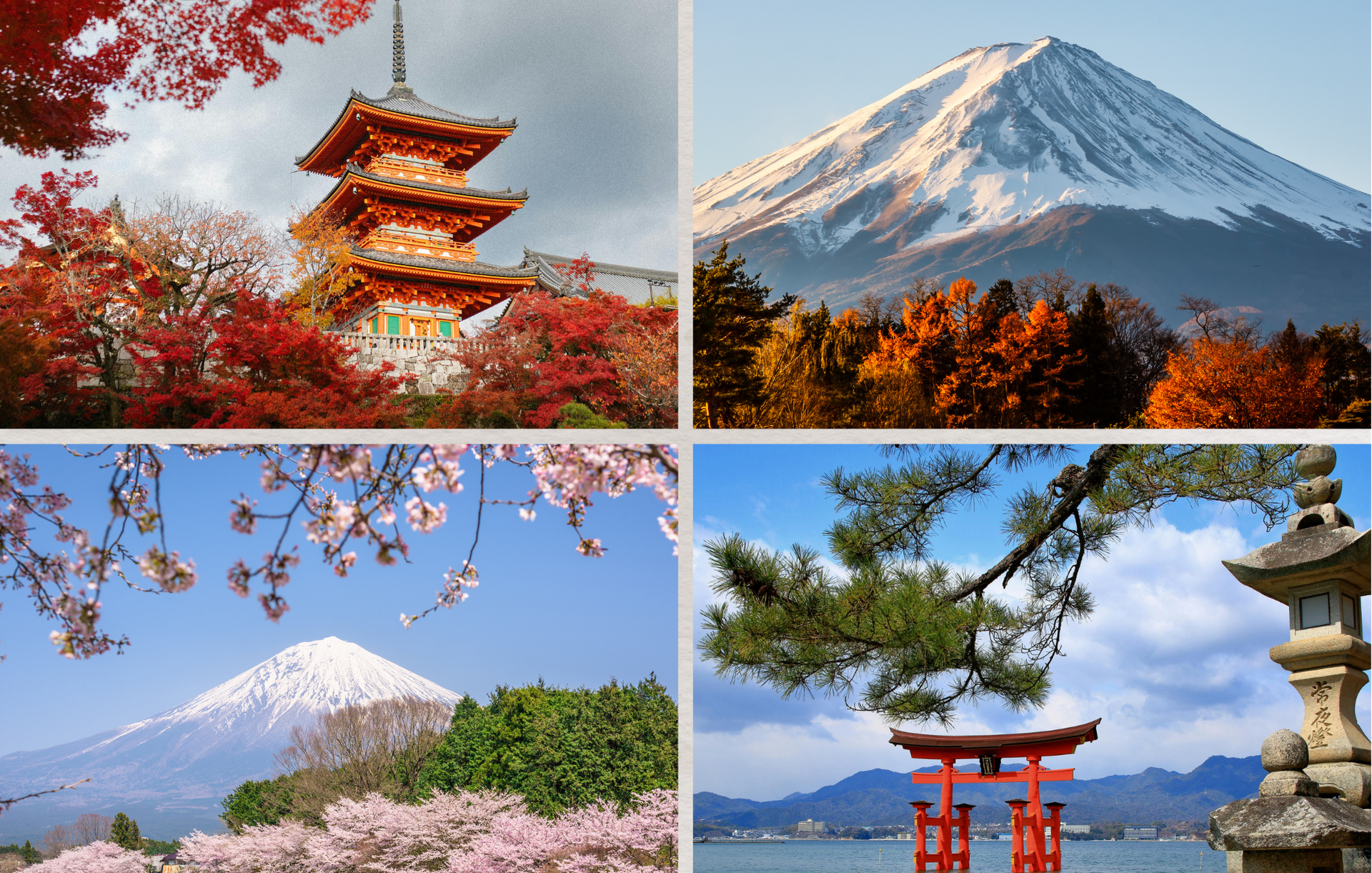
Spring is arguably Japan’s most iconic season. Between late March and early May—depending on the region and weather conditions—the famous cherry blossoms, known as *sakura*, transform parks, gardens, and avenues into delicate landscapes painted in shades of pink and white. This fleeting bloom gives rise to a deeply rooted Japanese tradition: *hanami*, the act of admiring the blossoms, often while enjoying a picnic beneath the trees. In Kyoto, temples and gardens take on a particularly poetic quality, while in Tokyo, riverbanks and expansive parks become magnificent settings for a stroll. Further north, in the Tohoku region or on the island of Hokkaido, the blossoms typically arrive later, extending the joy of experiencing Japan in the spring.
Yet, spring is about more than just cherry blossoms. Gardens become adorned with wisteria, azaleas, and a variety of colorful flowers, while milder temperatures invite exploration of historic cities, the countryside, and mountainous landscapes. It is a wonderful time to combine cultural discovery with leisurely walks and outdoor activities.
Summer reveals a Japan that is vibrant, festive, and deeply connected to its traditional folk customs. From June to August, cities and villages come alive to the rhythm of *matsuri*—traditional festivals featuring processions, music, dance, and local celebrations. In Kyoto, the renowned Gion Matsuri stands out as one of the year’s most iconic events, while in the north, the Nebuta festival in Aomori and the Kanto festival in Akita offer truly impressive spectacles.
Summer evenings are also marked by *hanabi*—grand fireworks displays that illuminate the sky above rivers and towns. Locals often gather wearing *yukata* (lightweight summer kimonos) to enjoy these convivial moments. Although much of the archipelago experiences heat and humidity during this season, summer also provides an opportunity to explore more temperate regions, such as the mountains of the Japanese Alps or the lush, green landscapes of Hokkaido. Hiking, lakes, forests, and wide-open spaces offer a different way to appreciate Japan’s natural beauty.
As autumn arrives, Japan transforms into a living painting. From late September through December—depending on altitude and region—the forests gradually take on shades of red, orange, and gold, creating one of the country’s most captivating natural displays. This period, known as *koyo*, is dedicated to the contemplation of autumn foliage—a tradition as cherished as the cherry blossom viewing in the spring.
In Kyoto, temple gardens and the surrounding hills are adorned with vibrant, fiery colors, creating striking contrasts against the traditional architecture. In Nikko, historic shrines can be discovered amidst spectacular forested landscapes, while the Japanese Alps offer grand, sweeping panoramas of mountains and valleys. Autumn is also a particularly pleasant season for travel, with temperatures that are often milder and an atmosphere well-suited for leisurely strolls and cultural exploration.
This season also makes its way onto the plate. Mushrooms, chestnuts, sweet potatoes, and seasonal fish inspire Japanese chefs, who pay close attention to the rhythms of nature. In *ryokans* (traditional inns) and traditional restaurants, menus evolve to reflect the flavors and colors of autumn, extending the seasonal experience into the realm of gastronomy.
Winter, meanwhile, reveals a quieter, more intimate, and at times almost magical side of Japan. In the north of the country and in mountainous regions, the landscape is blanketed in deep snow, transforming traditional villages, temples, and forests into scenes of striking beauty. In Shirakawa-go, the thatched-roof houses look as though they have stepped straight out of a fairy tale when they disappear beneath the snow. In the Japanese Alps, hot springs offer a dramatic contrast between the warmth of their waters and the crisp chill of the winter air.
It is also the perfect season to discover Japan’s ski resorts—such as those in Niseko, Hakuba, or Nozawa Onsen—which are renowned for the quality...
7. Discovering Japanese cuisine beyond sushi
In Japan, gastronomy is far more than just a culinary pleasure; it is a true expression of the country’s culture, traditions, and identity. While sushi, sashimi, and ramen have largely contributed to its international renown, Japanese cuisine reveals a diversity of flavors, textures, and craftsmanship that extends well beyond these iconic specialties. Each region boasts its own unique recipes, preferred ingredients, and culinary traditions, ensuring that every stop on a journey becomes a new gastronomic discovery.
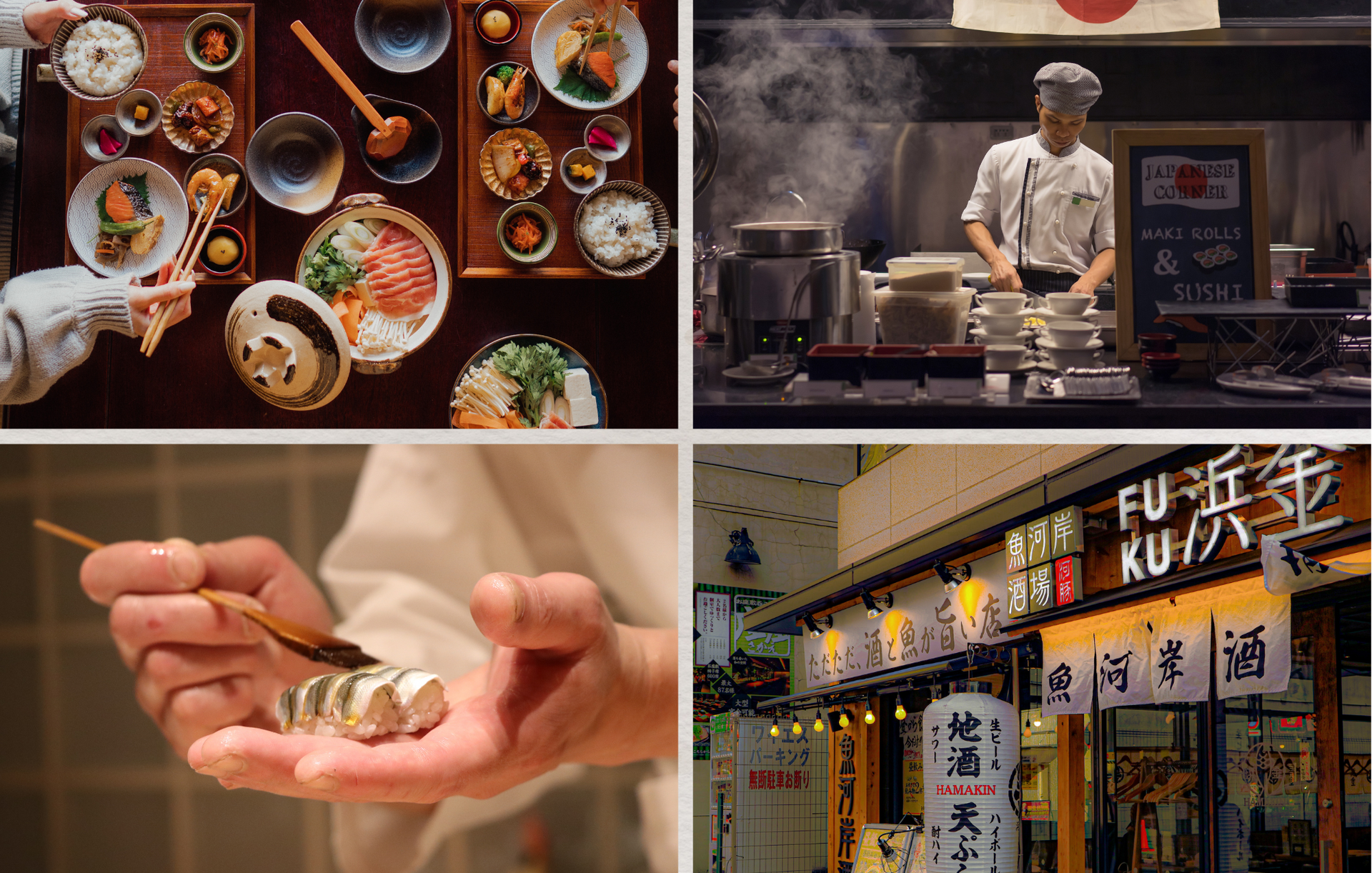
At the heart of this richness lies *washoku*—traditional Japanese cuisine—which was inscribed on UNESCO’s Representative List of the Intangible Cultural Heritage of Humanity in 2013. Rooted in a respect for ingredients, a balance of flavors, and a deep appreciation for the seasons, it reflects a philosophy in which food maintains a close connection to nature. The presentation of dishes, the choice of tableware, and the harmony of colors play an essential role, often transforming a simple meal into a genuine aesthetic experience.
In Kyoto, the former imperial capital, gastronomy is distinguished by its refinement and delicacy. The city is particularly renowned for *kaiseki* cuisine—a succession of small, meticulously crafted dishes prepared using fresh, seasonal ingredients. Served in traditional restaurants or *ryokans* (inns), these meals highlight subtle flavors and beautiful presentation. Kyoto is also famous for its tofu-based preparations, local vegetables known as *kyo-yasai*, and traditional confections, often enjoyed during the tea ceremony. In the historic alleyways of Gion or Pontocho, small, tucked-away establishments offer the chance to discover this culinary art in an exceptionally elegant atmosphere.
In contrast to this delicate style of cooking, Osaka cultivates a form of gastronomy that is generous, accessible, and decidedly convivial. Often called the "kitchen of Japan," the city is renowned for its culture of *kuidaore*—an expression that captures the joy of eating to one's heart's content. In the lively streets of Dotonbori, food stalls and small eateries invite visitors to sample *takoyaki*—savory batter balls filled with pieces of octopus—or *okonomiyaki*, hearty Japanese-style pancakes cooked on a griddle. The welcoming atmosphere, vibrant neon signs, and open kitchens turn every stroll into an exploration of local flavors.
In Tokyo, gastronomy takes on yet another dimension. The Japanese capital offers an exceptional culinary diversity, ranging from humble neighborhood stalls to the most prestigious fine-dining establishments. Here, one can discover *yakitori* (delicious grilled skewers), *tempura* (light, crispy-fried vegetables or seafood), and *soba*—thin buckwheat noodles served hot or cold, depending on the season. Traditional districts like Asakusa offer a taste of authentic, character-filled local cuisine, while Ginza is home to some of the country’s most refined dining venues.
Yet, the true richness of Japanese gastronomy can also be found by venturing beyond the major cities, exploring the unique specialties of each region. In Hida-Takayama, nestled in the Japanese Alps, one can enjoy the famous Hida beef—prized for its tenderness and marbling—at many traditional restaurants. In Kanazawa, the city’s proximity to the Sea of Japan ensures an abundance of exceptionally fresh fish and seafood; the Omicho Market, with its colorful stalls, perfectly showcases the wealth of these local offerings.
Further south, Hiroshima is famous for its own distinct take on *okonomiyaki*, prepared by layering various ingredients, including cabbage and noodles. On the island of Shikoku, Kagawa Prefecture is renowned for its *sanuki udon*—thick noodles with a firm, elastic texture—while the island of Hokkaido entices visitors with its seafood, dairy specialties, and hearty noodle soups, which are especially popular during the winter months.
Exploring Japan’s culinary landscape also means visiting its traditional markets—vibrant hubs where locals, artisans, and producers come together. At Kyoto’s Nishiki Market, visitors wander among stalls offering pickled vegetables, regional specialties, matcha-based sweets, and artisanal goods. In Tokyo, the Tsukiji Outer Market offers a chance to discover a wide array of seafood and Japanese delicacies in a lively atmosphere. These spots provide a unique opportunity to observe local eating habits and encounter flavors that may be entirely new to you.
Beyond mere tasting, Japanese gastronomy can also be experienced through immersive activities. Participating in a cooking class, for instance...
Renseignements et réservations dans les agences Vos Voyages by Culture Air Travel
Genève : +41 22 839 81 81
Lausanne : +41 21 331 15 15
Yverdon-les-Bains : +41 24 425 77 11
Continuez à nous confier vos projets de voyages, nous vous accompagnons dans toutes les démarches
et mettons tout en œuvre pour vous donner pleine satisfaction.
Toute l’équipe de Vos Voyages by Culture Air Travel vous remercie pour votre précieux soutien ainsi que votre fidélité.