
10 Must-See UNESCO World Heritage Sites
Traveling is much more than simply moving from point A to point B. It is an opportunity to discover the history, cultures, and natural wonders that have shaped our planet for millennia. Among these treasures, certain places stand out for their outstanding universal value, to the point of being designated as UNESCO World Heritage Sites. These sites are not only beautiful; they tell the story of humanity, its achievements, its beliefs, and its deep connection with nature.
UNESCO World Heritage sites are places recognized for their outstanding universal value, whether cultural, historical, or natural. Around the world, these iconic sites serve as true landmarks, bearing witness to human ingenuity and the richness of our environment. Visiting them offers a tangible insight into the history of civilizations and the diversity of landscapes that make up our planet.
Some of these sites stand out for their symbolic significance and international renown. The Pyramids of Giza, for example, represent one of humanity’s oldest monumental achievements, while the Great Wall of China illustrates the scale of imperial architectural ambitions. Others, such as Machu Picchu or Chichén Itzá, bear witness to vanished civilizations whose legacy continues to inspire fascination and study.
Natural heritage is no exception, with areas of remarkable biodiversity such as Serengeti National Park and the Great Barrier Reef. In addition to these sites, there are monuments of great cultural and spiritual significance, such as the Taj Mahal and Angkor Wat, as well as iconic landscapes like Mount Fuji and Iguazú National Park.
In this article, we present a selection of ten UNESCO World Heritage Sites that are among the most remarkable in the world. Each site will be described in detail, helping readers understand its significance, its unique features, and why it’s worth visiting at least once in a lifetime.

The Pyramids of Giza, Egypt
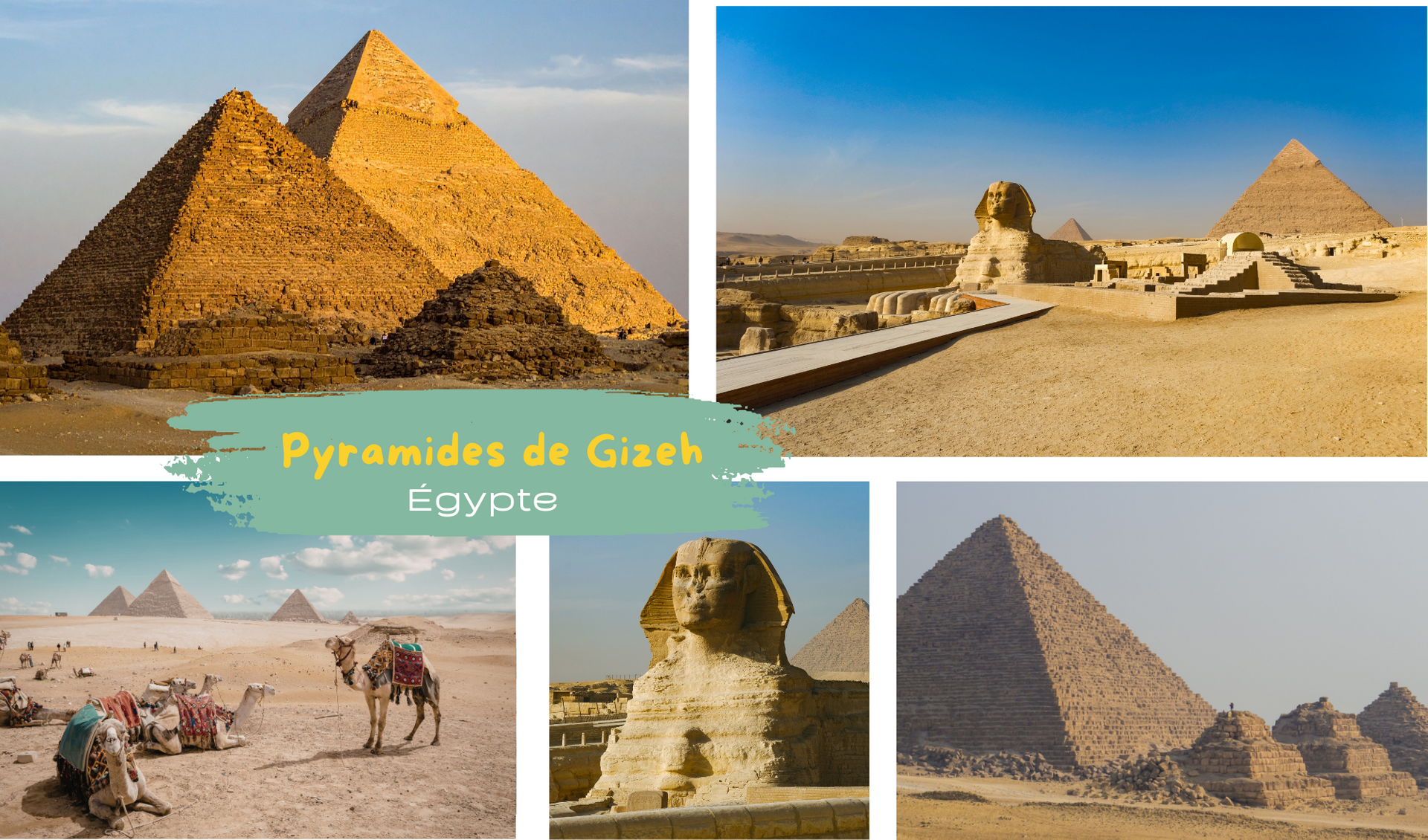
The Pyramids of Giza, located on the Giza Plateau a few kilometers from Cairo, are one of the most iconic World Heritage sites and remain the most spectacular symbol of ancient Egypt. These monumental structures were built over 4,500 years ago, during the Old Kingdom of Egypt, to serve as tombs for the pharaohs Khufu, Khafre, and Menkaure.
The Great Pyramid of Khufu, the most imposing of the three, originally stood 146 meters tall, making it the tallest structure in the world for more than 3,800 years. It stands as a testament to the exceptional skill of Egyptian engineers, who moved and assembled millions of stone blocks—some weighing several tons—with a precision that still defies modern technology. The pyramid was not merely a mausoleum: it was designed to ensure the pharaoh’s transition to the afterlife, in accordance with the religious beliefs of the time, and reflected the power and organization of a hierarchical civilization.
Next to the pyramids stands the legendary Sphinx of Giza, carved from a single block of limestone, which symbolizes strength and protection. Its face, likely that of Pharaoh Khafre, faces east and remains shrouded in mystery regarding its exact purpose and the techniques used to create it.
Visiting Giza today is a unique experience, but it’s essential to plan your visit carefully. The best times to visit are early in the morning or late in the day to avoid the desert heat and the crowds. It’s recommended that you wear light clothing, a hat, and bring plenty of water. Visitors can enter certain pyramids, such as the Great Pyramid of Khufu, but should be aware that the passageways are narrow and sloped. Hiring an official guide provides a better understanding of the site’s historical and religious nuances.
Finally, for the full experience, it is recommended to take in the plateau as a whole, stepping slightly away from the most touristy areas, in order to appreciate the precise alignment of the pyramids and their harmony with the desert landscape. A visit to the Pyramids of Giza is not just a journey through space, but a journey through time, offering a fascinating immersion in the history of a civilization that continues to captivate the entire world.
The Great Wall of China
The Great Wall of China is a must-see destination for any traveler seeking history, spectacular scenery, and unique experiences. Stretching over 20,000 kilometers, it winds through mountains, valleys, and deserts, offering breathtaking views at every turn.
A vast network of fortifications built over more than 2,000 years across northern China, it stretches for approximately 21,000 km through mountains, deserts, and plains; its primary purpose was to protect the Chinese kingdoms from invasions by nomadic peoples, to monitor the borders, and to control trade, particularly along the Silk Road, while today it has become a major symbol of history and human ingenuity.
As a visitor, you’ll have a choice of several sections of the Wall, each with its own charm. The most accessible sections, such as Badaling or Mutianyu, are ideal for a first visit: they are well-restored, easily accessible from Beijing, and equipped to accommodate tourists. If you’re looking for a more authentic and less crowded experience, sections like Jinshanling or Simatai offer a wilder setting and a total immersion in history.
To get the most out of your visit, we recommend setting out early in the morning or late in the afternoon to avoid the crowds and the heat, especially in summer. Be sure to wear sturdy walking shoes, as some sections are very steep and uneven. Don’t forget to bring water, sunscreen, and a camera—the scenery is definitely worth the trip!
The best time to visit the Great Wall is in the spring (April–May) or fall (September–October), when temperatures are pleasant and visibility is optimal. Fall, in particular, offers magnificent colors with golden foliage.
Finally, consider combining your trip with a visit to Beijing, particularly the Forbidden City or the Summer Palace, for a complete immersion in China’s rich culture. A visit to the Great Wall is not only a journey through space but also a true journey through time.

Machu Picchu, Perou
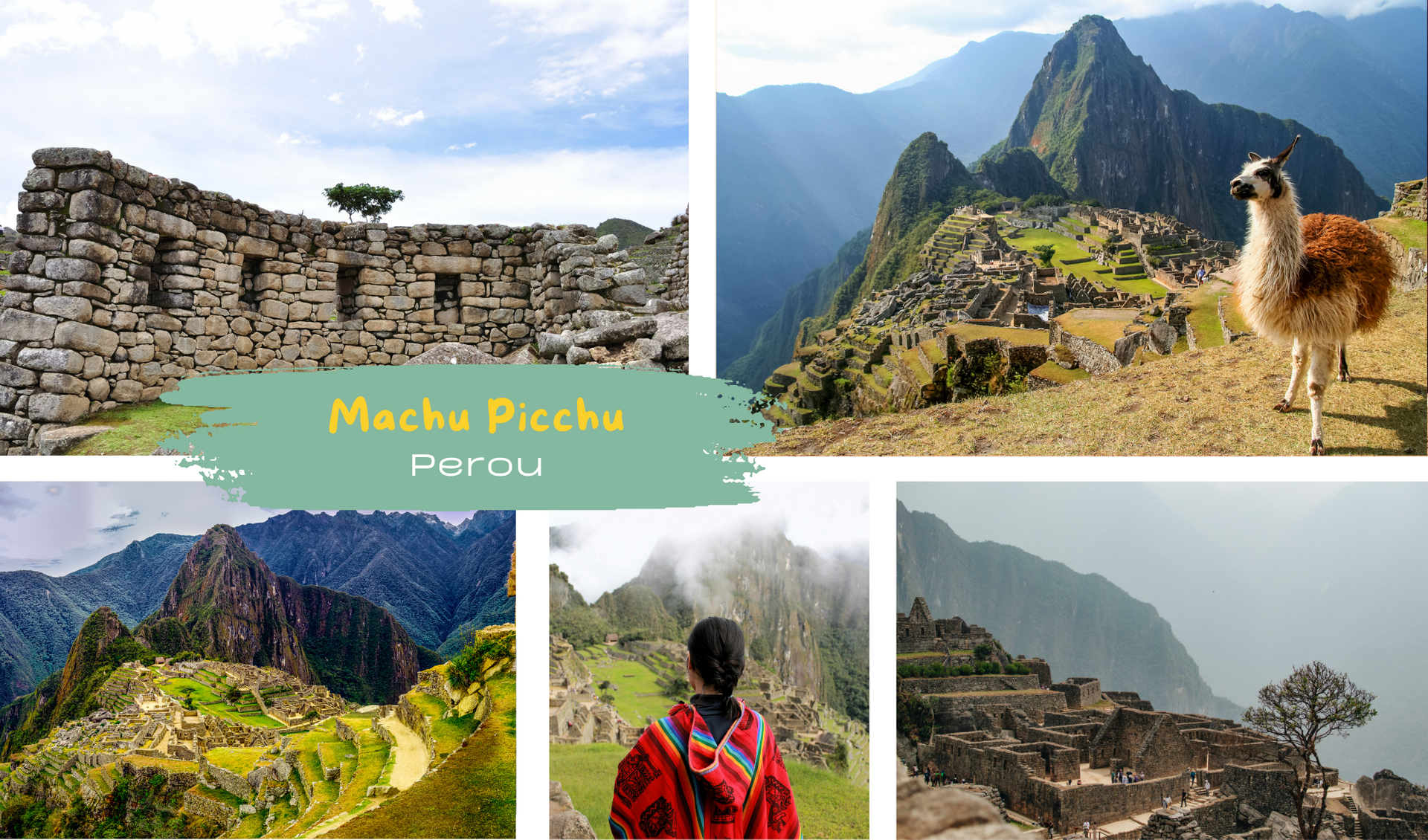
Machu Picchu is a must-see destination for any traveler seeking mystery, history, and spectacular scenery. Perched at an altitude of over 2,400 meters in the Peruvian Andes, this ancient Inca city offers breathtaking scenery, with lush green mountains, drifting clouds, and perfectly preserved ruins.
Built in the 15th century during the reign of Emperor Pachacútec, Machu Picchu remains shrouded in mystery to this day. Abandoned during the Spanish conquest and rediscovered in 1911 by explorer Hiram Bingham, it is considered one of the greatest testaments to Inca civilization. Designated a UNESCO World Heritage Site, the site impresses with the precision of its architecture, its agricultural terraces, and its harmonious integration into the surrounding natural landscape.
As a visitor, there are several options available to you for reaching the site. The most popular way is to depart from the city of Cusco, the former capital of the Inca Empire, then take the train to Aguas Calientes before hiking up to the site. For hiking enthusiasts, the famous Inca Trail offers a unique multi-day experience through varied landscapes and archaeological ruins, culminating in a spectacular sunrise arrival.
To make the most of your visit, it’s essential to book your tickets in advance, as daily visitor numbers are limited to protect the site. We recommend visiting early in the morning or late in the day to avoid the crowds and enjoy the exceptional light. Be sure to pack clothing suitable for changing weather conditions, sturdy walking shoes, water, and sunscreen.
The best time to visit Machu Picchu is between May and September, during the dry season, when conditions are ideal for hiking and sightseeing. However, even during the rainy season, the site retains a unique, mystical atmosphere.
Finally, feel free to extend your stay in the region by exploring the Sacred Valley or discovering the cultural treasures of Cusco. A visit to Machu Picchu is more than just a trip—it’s a deep immersion in the history, nature, and spirituality of the Andes.
Serengeti National Park, Tanzania
Serengeti National Park is a must-see destination for any traveler seeking wide-open spaces, wildlife, and authentic adventure. Located in northern Tanzania, this legendary park spans nearly 15,000 square kilometers of endless savannah, dotted with acacia trees and rocky kopjes, offering some of East Africa’s most iconic landscapes.
A UNESCO World Heritage Site, the Serengeti is world-renowned for its exceptional biodiversity and, above all, for the spectacular Great Migration, during which millions of wildebeests, zebras, and gazelles traverse the plains in search of pasture, closely followed by predators such as lions, cheetahs, and hyenas. This natural phenomenon, considered one of the most impressive in the world, offers scenes of wildlife of rare intensity.
As a visitor, there are several ways to explore the park. Safaris in 4x4 vehicles remain the most popular option, led by experienced guides who will help you spot the famous “Big Five” in their natural habitat. You can also opt for a sunrise hot-air balloon safari, an unforgettable experience offering a panoramic view of the vast plains of the Serengeti.
To make the most of your stay, we recommend planning your trip around the migration patterns, which vary by season. Pack light but modest clothing, binoculars, a camera with a zoom lens, and adequate sun protection. Mornings and evenings are the best times to observe the animals, when they are most active.
The best time to visit the Serengeti depends on what you want to see: June through October for spectacular river crossings, and January through March for the calving season in the southern part of the park. No matter when you go, you’re guaranteed a spectacular sight.
Finally, consider combining your safari with a visit to the Ngorongoro Crater or the idyllic beaches of Zanzibar for a well-rounded experience that blends adventure, nature, and relaxation. A trip to the Serengeti is much more than just a vacation: it’s a total immersion in one of the planet’s last great wildlife sanctuaries.

The Great Barrier Reef, Australia
The Great Barrier Reef is a must-see destination for any traveler seeking spectacular seascapes, exceptional biodiversity, and unique experiences. Located off the northeast coast of Australia, it stretches over 2,300 kilometers and is the world’s largest coral reef, visible even from space.
A UNESCO World Heritage Site, the Great Barrier Reef is home to an incredible diversity of marine life, including thousands of species of fish, corals, turtles, sharks, and marine mammals. A true paradise for diving and snorkeling enthusiasts, it offers crystal-clear waters in vibrant colors, where every dive reveals a fascinating natural spectacle.
A UNESCO World Heritage Site, the Great Barrier Reef is home to an incredible diversity of marine life, including thousands of species of fish, corals, turtles, sharks, and marine mammals. A true paradise for diving and snorkeling enthusiasts, it offers crystal-clear waters in vibrant colors, where every dive reveals a fascinating natural spectacle.
To get the most out of your experience, plan your trip for early morning, when the sea is calmer and visibility is at its best. We recommend wearing a lightweight wetsuit to protect yourself from the sun and jellyfish, using coral-friendly sunscreen, and following the guides’ instructions to help preserve this fragile ecosystem.
The best time to visit the Great Barrier Reef is between May and October, during the dry season, when weather conditions are ideal, with little rain and excellent underwater visibility. This period is also more pleasant in terms of temperature and humidity.
Finally, consider combining your trip with a visit to the Daintree Rainforest or the idyllic beaches of the Whitsunday Islands for a complete immersion in Australia’s natural wonders. A visit to the Great Barrier Reef is more than just a simple excursion: it’s an unforgettable encounter with one of the most precious and fascinating ecosystems on the planet.

Angkor WAT, Cambodia
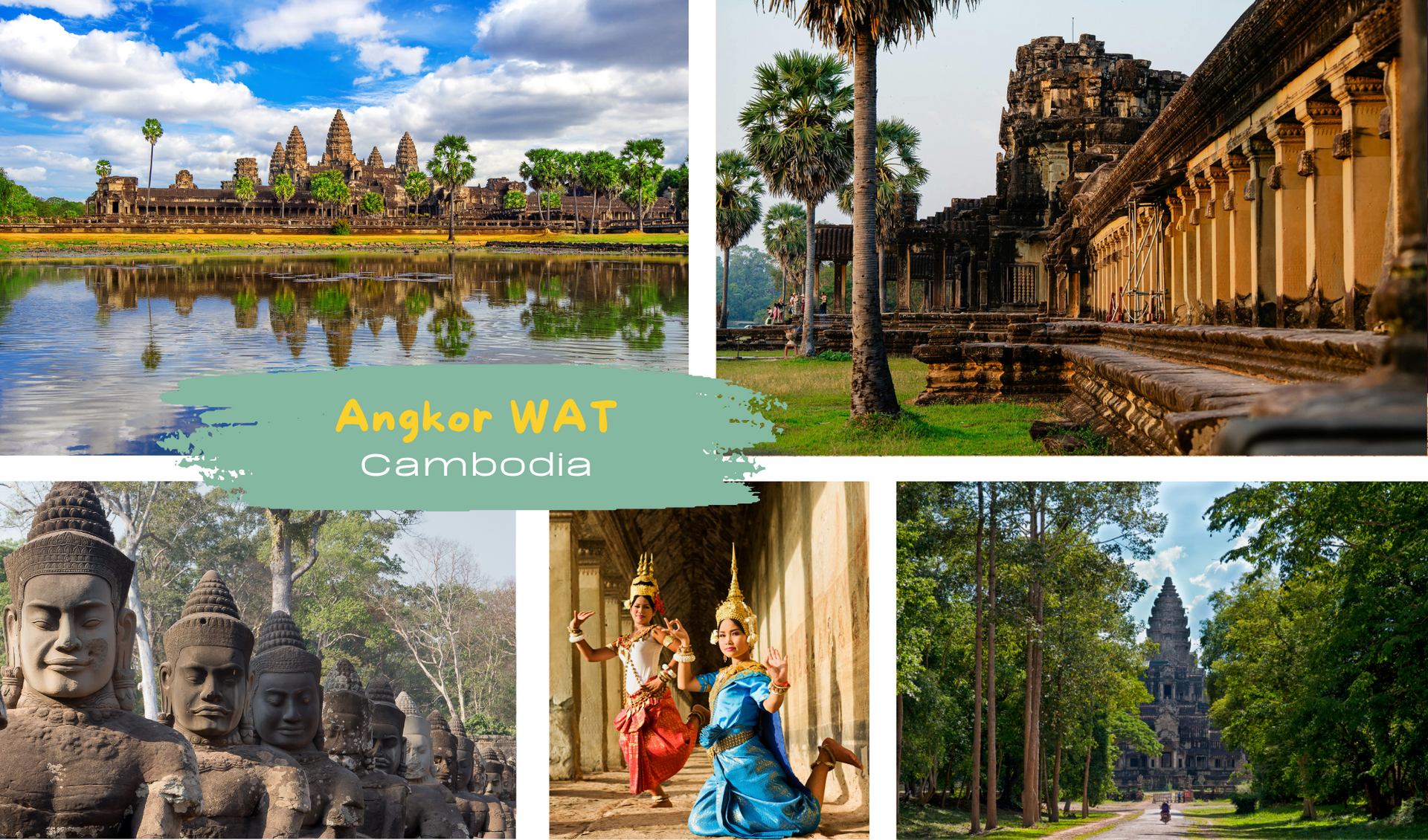
Angkor Wat is a must-see destination for any traveler seeking history, impressive architecture, and spirituality. Located near the city of Siem Reap, this monumental complex spans several kilometers and is the largest religious temple in the world, an emblem of Khmer civilization and a national symbol of Cambodia.
Built in the 12th century during the reign of King Suryavarman II, Angkor Wat was originally dedicated to the Hindu god Vishnu before becoming a Buddhist site. A UNESCO World Heritage Site, it impresses with the harmony of its architecture, its finely carved bas-reliefs, and the perfect balance between temples, moats, and gardens, reflecting both the power and the cosmic vision of the Khmer people.
As a visitor, you have several options for exploring the site. A walking or cycling tour allows you to discover the temple’s various levels and galleries at your own pace, while an experienced guide will immerse you in the site’s fascinating history and legends. Sunrises and sunsets over Angkor Wat are particularly magical, casting spectacular colors over the iconic towers and moats.
To make the most of your visit, we recommend packing light yet modest clothing that is respectful of the sacred site, as well as sturdy walking shoes, water, and a camera. Visiting several temples in the Angkor area, such as Angkor Thom and Ta Prohm, allows you to appreciate the diversity and grandeur of the complex.
The best time to visit Angkor Wat is between November and February, during the dry season, when temperatures are pleasant and rainfall is minimal. However, the site retains its splendor all year round, offering striking contrasts during the rainy season.
Finally, be sure to round out your visit by experiencing the local culture in Siem Reap, including its markets and traditional performances. Exploring Angkor Wat isn’t just about admiring an architectural masterpiece—it’s about immersing yourself in the history and spirituality of a fascinating civilization.
Mount Fuji, Japan
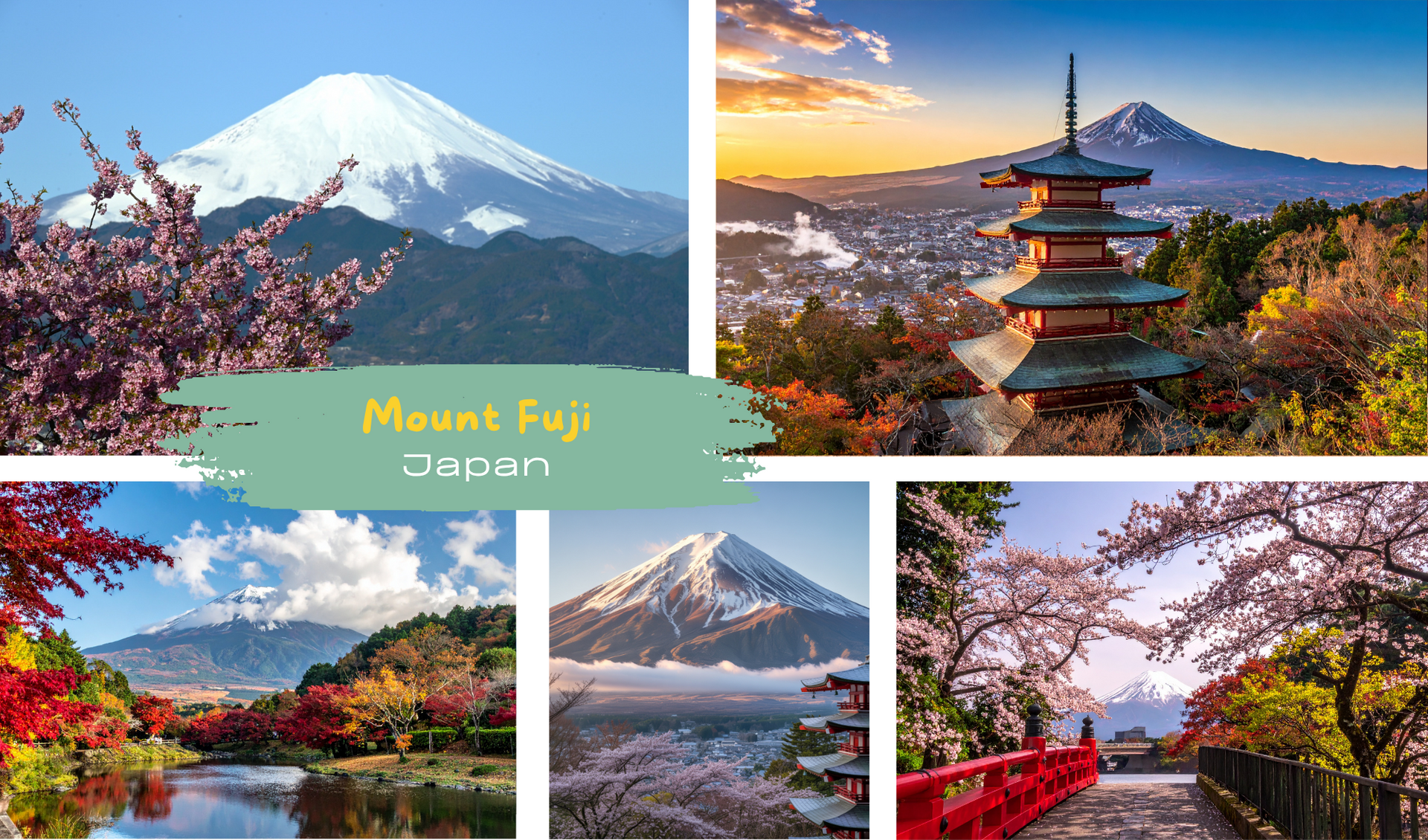
Mount Fuji is a must-see destination for any traveler seeking iconic landscapes, majestic natural beauty, and unique cultural experiences. Located about 100 kilometers west of Tokyo, it rises to 3,776 meters, making it Japan’s highest peak and a cultural symbol deeply rooted in Japanese history and spirituality.
A UNESCO World Heritage Site, Mount Fuji attracts millions of visitors each year, including hikers, photographers, and culture enthusiasts. Its perfectly symmetrical cone, the surrounding landscapes, and the lakes that encircle it make it an ideal destination for contemplation and adventure. It is also revered in Shinto tradition and has been a source of inspiration for artists and poets for centuries.
Visitors have several options for exploring Mount Fuji. Climbs are possible from July through early September via several trails—such as the Yoshida, Subashiri, and Gotemba routes—which cater to hikers of varying skill levels. For those who prefer to stay at the base of the volcano, the Five Lakes of Fuji offer magnificent views, water activities, and more accessible hiking trails. Sunrises and sunsets from the summit or the surrounding area are particularly spectacular.
To make the most of your visit, we recommend packing carefully: warm, waterproof clothing, sturdy hiking boots, headlamps for night hikes, and plenty of water. Be sure to make reservations at mountain huts if you plan to spend the night on your way to the summit.
The best time to visit Mount Fuji is between July and September, during the hiking season, when weather conditions are most favorable and there is no snow. However, photographers and nature lovers can enjoy its beauty year-round from the surrounding valleys and lakes, especially in the fall for the vibrant colors or in the winter for the snow-capped peak.
Finally, consider extending your stay to explore the hot springs (onsen) around Mount Fuji, or to immerse yourself in the culture of Kawaguchiko and the surrounding towns. A visit to Mount Fuji is not just a hike—it’s an encounter with the natural and spiritual soul of Japan.
Chichén Itzá, Mexico
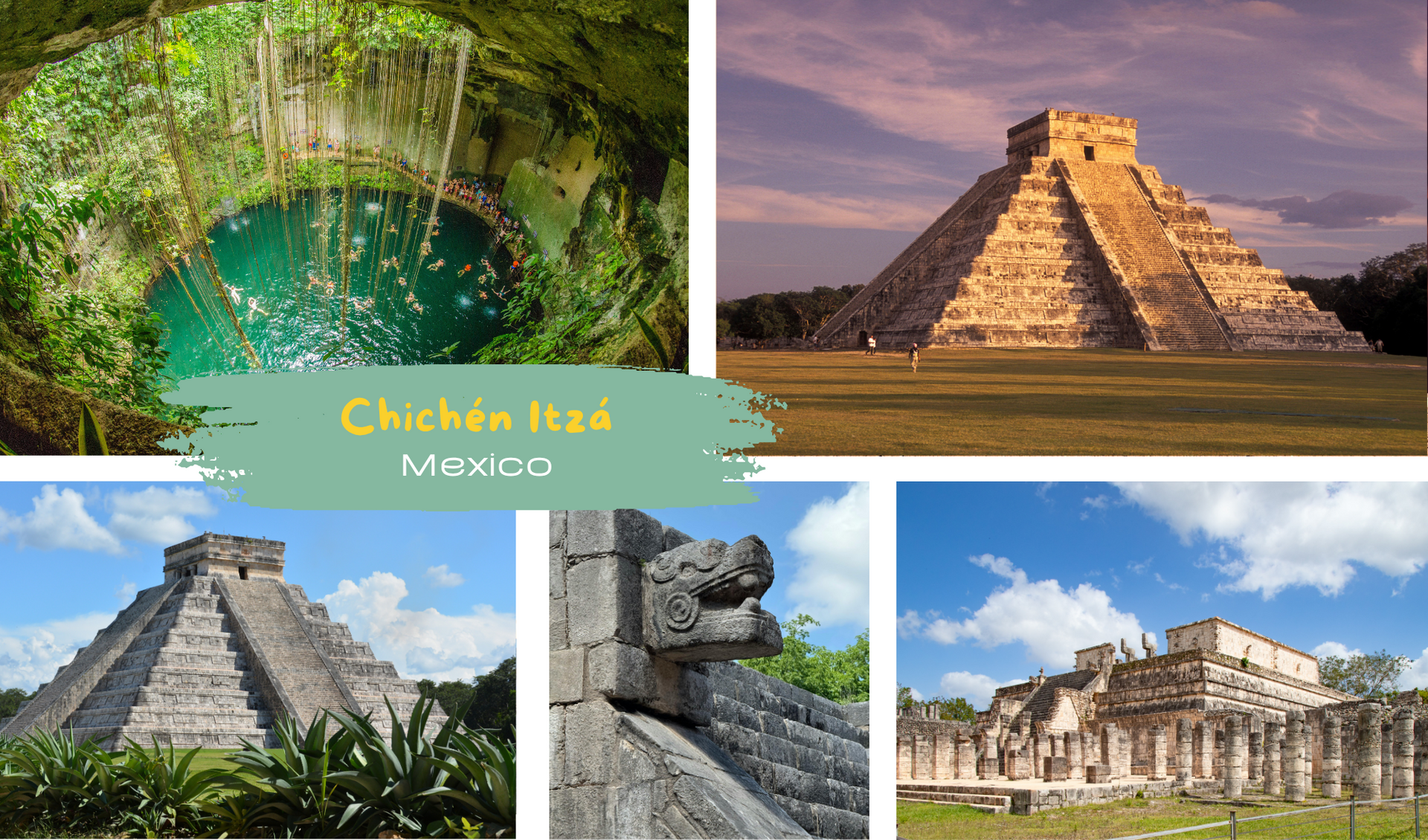
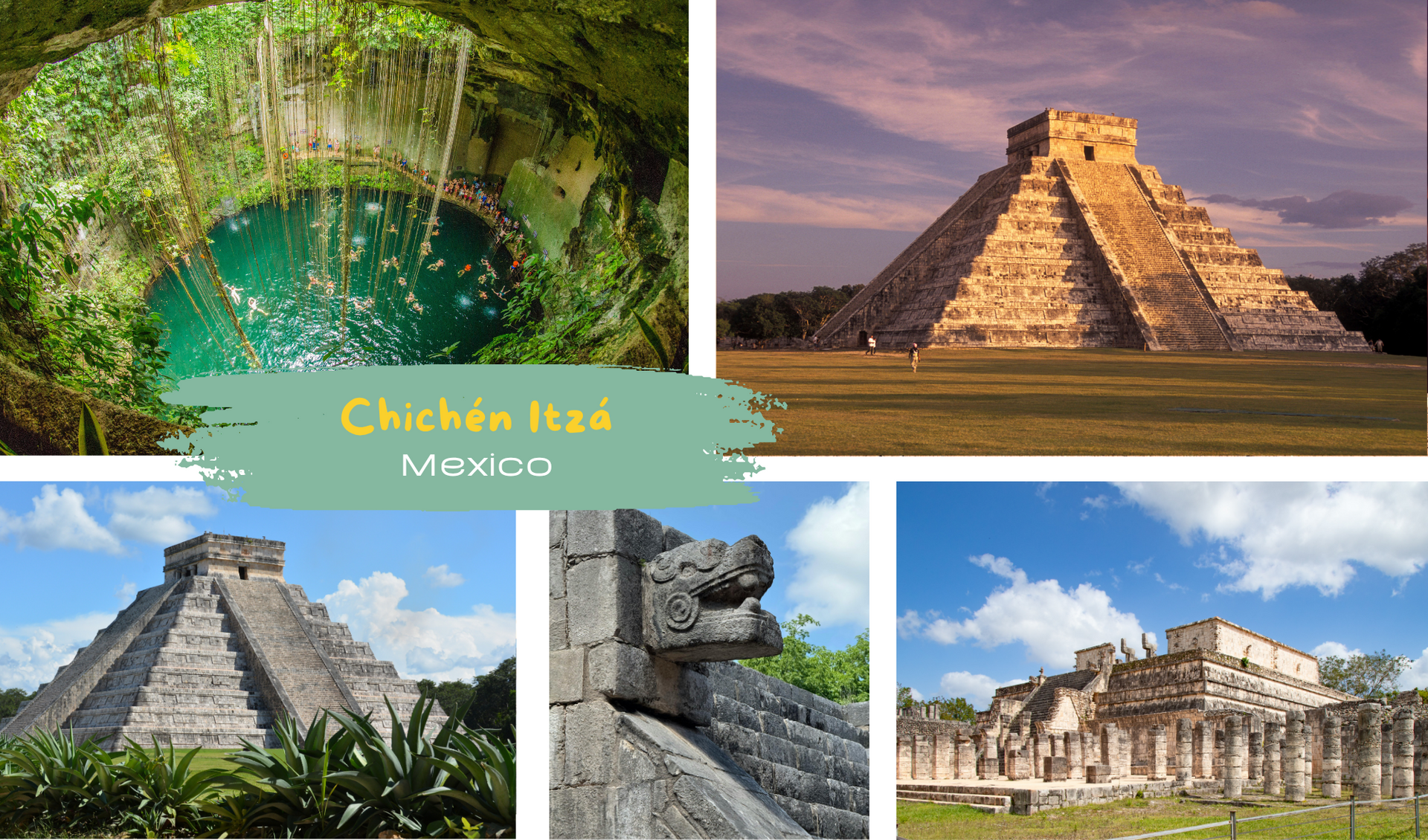
Chichen Itza is a must-see destination for any traveler seeking fascinating history, monumental architecture, and unique cultural experiences. Located in the state of Yucatán, Mexico, this Mayan archaeological site spans several kilometers and showcases the grandeur and sophistication of Mayan civilization, making Chichen Itza one of the most iconic sites on the American continent.
Built between the 9th and 13th centuries, Chichen Itza is home to remarkable structures such as the Pyramid of Kukulcán (El Castillo), the Temple of the Warriors, the ball court, and the El Caracol astronomical observatory. Listed as a UNESCO World Heritage Site, it bears witness to the scientific and architectural ingenuity of the Maya, particularly in the alignment of its buildings with astronomical phenomena, such as the equinoxes, which create the illusion of a serpent descending the pyramid.
As a visitor, you can explore the site on foot, accompanied by a guide who will help you better understand the history, legends, and significance of the monuments. Mornings are ideal for avoiding the crowds and enjoying perfect lighting for photography. Combined tours with nearby cenotes offer a well-rounded experience that blends culture and nature.
To make the most of your visit, be sure to bring lightweight, modest clothing, comfortable shoes, water, and sunscreen, as the site is exposed to the tropical sun. Local guides also provide valuable insights into Mayan rituals, social organization, and scientific advancements.
The best time to visit Chichen Itza is between November and April, during the dry season, when temperatures are pleasant and rainfall is minimal. However, the site remains impressive all year round. The equinoxes in March and September offer a unique spectacle, with the shadow of the serpent appearing to descend the steps of the Pyramid of Kukulcán.
Finally, combine your visit with a trip to Mérida or the idyllic beaches of the Riviera Maya for a well-rounded experience that blends history, culture, and relaxation. Exploring Chichen Itza isn’t just about admiring ruins—it’s about immersing yourself in the heart of an ancient civilization and its fascinating mysteries.
Iguazu National Park, Argentina
Iguazú National Park is a must-see destination for any traveler seeking spectacular scenery, lush nature, and unforgettable experiences. Located in northeastern Argentina, on the border with Brazil, the park is home to the famous Iguazú Falls, a series of more than 270 waterfalls stretching nearly 2.7 kilometers, offering a spectacle of exceptional power and beauty in the heart of the rainforest.
Designated a UNESCO World Heritage Site, the park is renowned for its remarkable biodiversity, featuring a rich array of wildlife including jaguars, coatis, howler monkeys, toucans, and a multitude of butterfly and tropical bird species. The boardwalks and trails allow visitors to get up close to the waterfalls, particularly the spectacular Devil’s Throat, where the roar of the water and the spray create an unforgettable immersive experience.
To make the most of your visit, there are several options available: walking trails suitable for all fitness levels, boat tours to experience the power of the falls up close, and observation trails for photographers and nature lovers. We recommend wearing light, waterproof clothing and comfortable shoes, and bringing water and sunscreen.
The best time to visit Iguazú National Park is between March and May or from September to November, when temperatures are pleasant and there are fewer tourists. The rainy season (December through February) offers impressive water flows, but you’ll need to be prepared for humidity and trails that can sometimes be slippery.
Finally, consider extending your stay by exploring the Brazilian side of the falls for different viewpoints, or by discovering the nearby towns of Puerto Iguazú and Foz do Iguaçu. A visit to Iguazú National Park isn’t just a natural spectacle—it’s a total immersion in one of the most impressive wonders of the world.
Taj Mahal, India
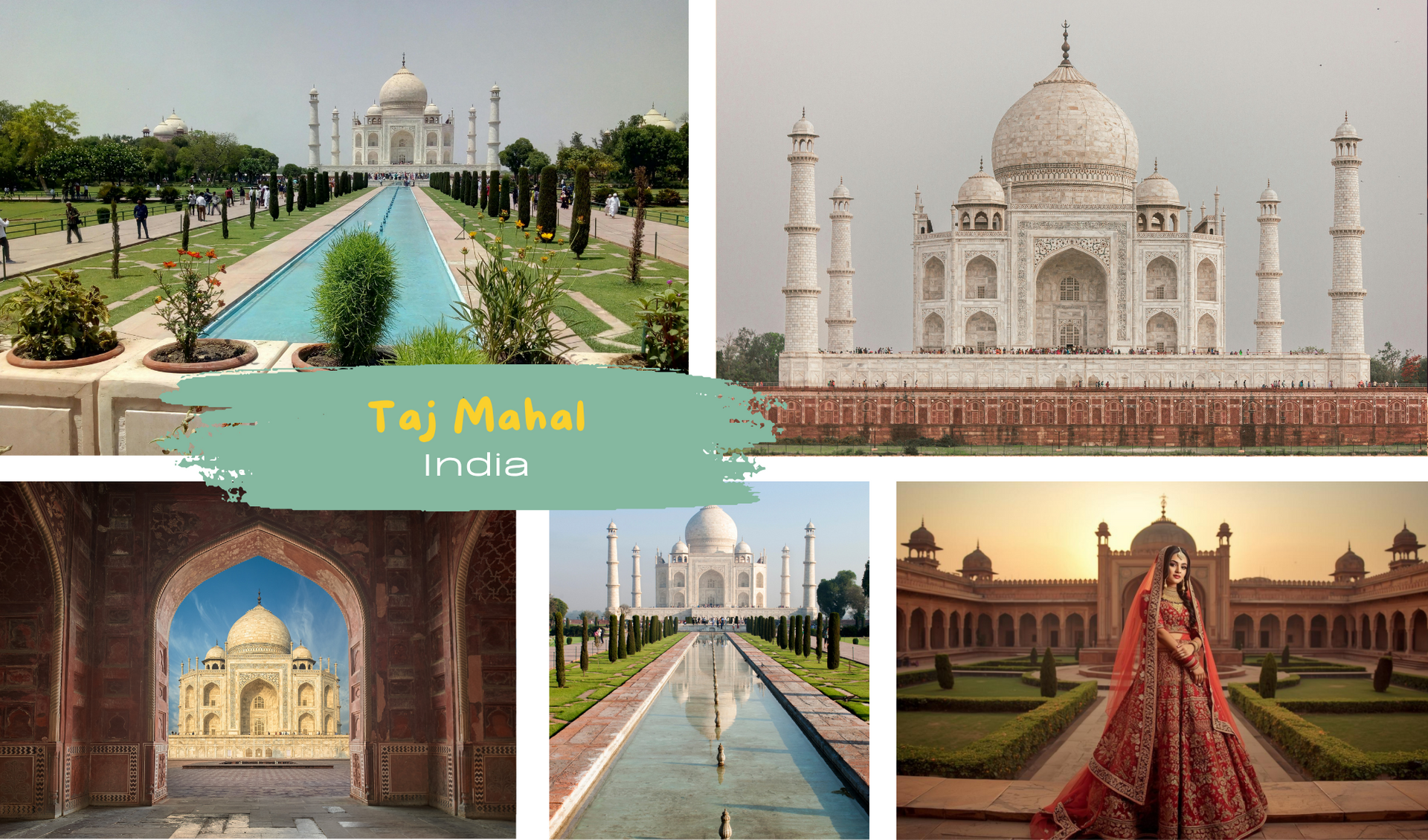
The Taj Mahal is a must-see destination for any traveler seeking architectural beauty, fascinating history, and a deeply moving experience. Located in the city of Agra, in the state of Uttar Pradesh, India, this white marble mausoleum is one of the world’s most iconic monuments and a universal symbol of eternal love.
Built in the 17th century by Emperor Shah Jahan in memory of his wife Mumtaz Mahal, the Taj Mahal is a masterpiece of Mughal architecture, harmoniously blending Persian, Indian, and Islamic influences. A UNESCO World Heritage Site, it impresses with its majestic domes, slender minarets, symmetrical gardens, and inlays of precious stones that spectacularly catch the light at every hour of the day.
Visitors have several options for exploring the site: strolling through the gardens at dawn to admire the monument in soft light, exploring the interior galleries to appreciate the intricate carvings and inscriptions, or photographing the Taj Mahal’s perfect reflection in the central pool. Sunrises and sunsets offer particularly memorable views.
To get the most out of your visit, we recommend wearing appropriate clothing, sturdy, comfortable shoes, and bringing water, especially in the summer when temperatures can be high. Buying tickets in advance helps you avoid long lines, and a guided tour enhances the experience by providing insights into the history, symbolism, and construction techniques.
The best time to visit the Taj Mahal is between October and March, when the weather is cooler and less humid, providing ideal conditions for exploring the site. However, each season offers its own unique light and atmosphere, from the misty morning dawn to the golden hues of sunset.
Finally, feel free to extend your stay by discovering other treasures in Agra, such as the Red Fort, or by exploring the region for a complete immersion in Mughal history and culture. A visit to the Taj Mahal is not just a tourist trip: it is an unforgettable emotional and cultural experience, an encounter with one of humanity’s most admired treasures.
For information and reservations, please contact our agencies Vos Voyages by Culture Air Travel
Geneva : +41 22 839 81 81
Lausanne : +41 21 331 15 15
Yverdon-les-Bains : +41 24 425 77 11
Please continue to entrust us with your travel plans; we’ll guide you through every step of the process
and do everything we can to ensure your complete satisfaction.
The entire team at Vos Voyages by Culture Air Travel would like to thank you for your valuable support and loyalty.